Libelle H 301 (Open Libelle)
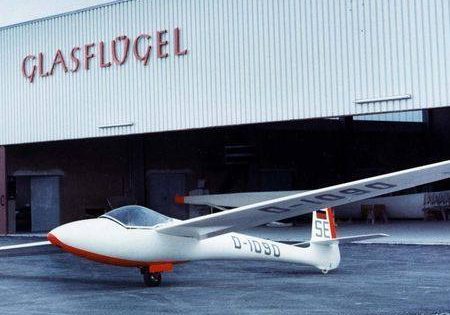
The H 301 Libelle descends from the H 30 TS, which was also designed by Wolfgang Hütter from the H 30, but then built by Allgaier in Uhingen near Göppingen. The H 30 TS was originally designed as a motor glider with a BMW turbine of 40 kp thrust, first had a V-tail, later got the Libelle-like fuselage. The wing had a profile developed by Wolfgang Hütter himself and a spar made of aluminium profiles.
The H 301 Libelle has the slightly modified wing of the H 30 TS with a wingspan of 15 m and gets a new fuselage. The Swiss glider pilot Eugen Aeberli is the initiator of the industrial production of the Libelle, because together with Wolfgang Hütter he succeeds in finding a man in Eugen Hänle who wants to build the aircraft in series. After revision of the design by Hänle, the prototype was created in 1963/64 with a spar made of glass fibre rovings according to the HH-process.
.
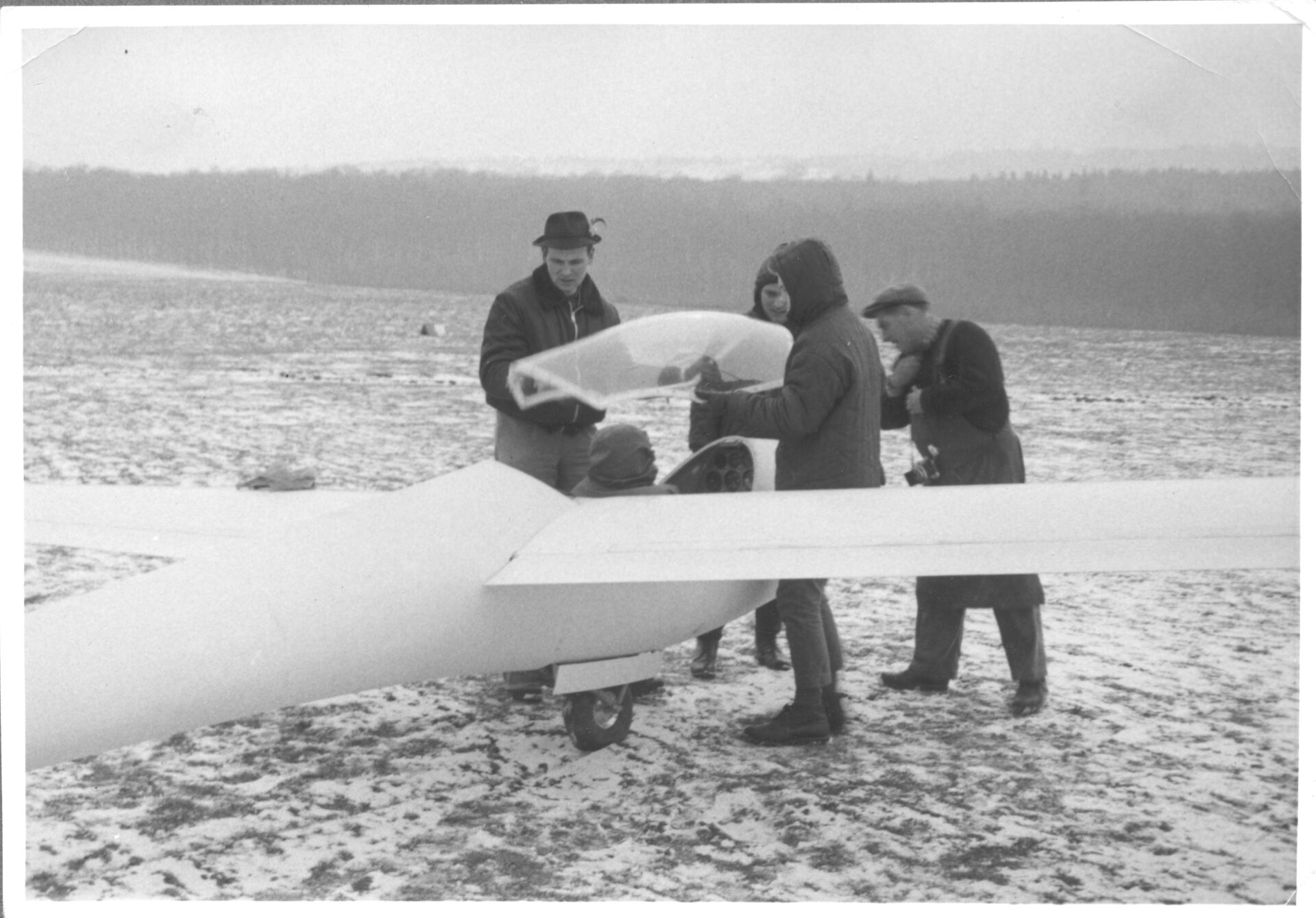
Eugen Hänle carried out the maiden flight on 6 March 1964 on the Hahnweide.
By 1969, a total of 108 H 301 Libelles were built, half of which went to the USA. Aircraft with two hoods of different sizes, which are mounted depending on the size of the pilot, also go mainly to America.
In the years 1966/67 13 sets of H 301 Libelle wings for the HBV diamond were delivered to the company FFA in Altenrhein on Lake Constance.
Dimensions
Wingspan 15.00 m
Surface Area 9.73 m²
Apect Ratio 23.60
Profile Hütter
Length 6.20 m
Weight
Empty Weight 180 kg
Maximum Cockpit Weight 120 kg
Maximum Gross Weight 300 kg
Maximum Wing Loading 31.6 kg/m²
Speeds
Maximum Speed 200 km/h
Stall Speed 65 km/h
Performance
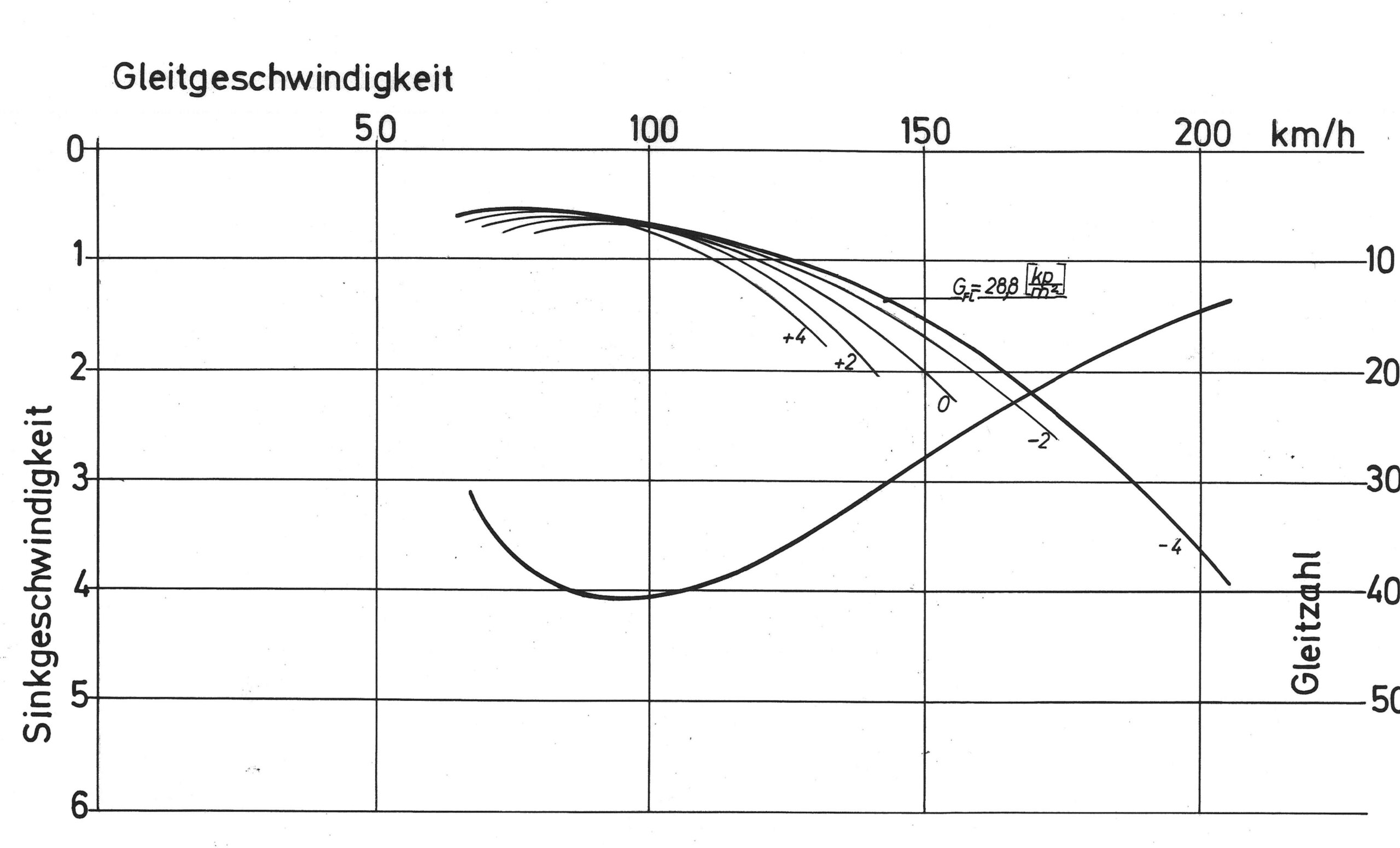
Minimum sink at 75 km/h 0,55 m/s
Best Glide at 95 km/h 39